The Priest is a Calling: Understanding the Vocation of the Priesthood
The priesthood is a vocation that has been held in high regard within the Catholic Church for centuries. It is a calling that requires a deep commitment to serving God and His people. However, with changing times and shifting societal attitudes, the role of the priest has evolved, and the challenges they face have grown more complex. This website aims to shed light on the vocation of the priesthood and provide insights into the qualities that make a good priest, the role of a priest in the modern world, and the rewards and challenges that come with being a priest. We hope that this resource will serve as a guide for those discerning a vocation to the priesthood, as well as for anyone interested in learning more about this sacred calling.
Exploring the Role of the Priest in the Catholic Church
The role of the priest in the Catholic Church is multifaceted and essential. First and foremost, the priest is responsible for celebrating the sacraments, especially the Eucharist. The Eucharist is at the center of Catholic worship and is considered the source and summit of the Christian life. As such, the priest plays a crucial role in bringing Christ to the faithful through the celebration of the Mass.
The website essayservice.com provides access to a professional essay writer who can produce high-quality essays about priest. Moreover, the priest plays a crucial role as a spiritual leader and mentor by providing guidance and support to individuals who aim to enhance their connection with God. By delivering sermons, imparting knowledge, and providing pastoral care, the priest contributes to cultivating a sense of unity within the local church and the broader community, by extending aid to those in distress and offering solace and optimism in times of trouble.
The priest also has a role to play in the administration of the Church. Along with the bishop, the priest is responsible for the governance of the local church, overseeing its financial and administrative affairs, and ensuring that the needs of the community are met. This requires strong leadership skills, as well as the ability to balance the needs of the Church with the needs of the people it serves.
Finally, the priest is called to be a witness to the Gospel, living out their faith in their daily lives and serving as a model of Christian discipleship. This includes being an advocate for justice and peace, promoting the dignity of all human life, and working to build a society that reflects the values of the Gospel. Through their words and actions, the priest helps to bring about the Kingdom of God on earth, offering a vision of hope and renewal to all those they encounter.
The Requirements and Qualities of a Good Priest
To become a priest, one must first undergo a rigorous process of education and formation. This typically involves several years of study at a seminary, where the candidate will learn about theology, philosophy, scripture, and pastoral ministry. In addition to academic coursework, the candidate will also engage in spiritual and personal formation, including prayer, spiritual direction, and pastoral experience.
One important aspect of priestly formation is the development of writing skills. Priests are often called upon to write essays, homilies, and even theses, which require careful thought, research, and communication. Writing is an important tool for priests to convey their message to the faithful, and it helps them to articulate their ideas and insights clearly and effectively.
It is believed that besides having excellent education and writing skills, a good priest must possess a variety of personal traits that help them fulfill their duties effectively. Such qualities comprise a profound affection for God and His followers, a robust sense of empathy and compassion, modesty, and a readiness to serve selflessly. Moreover, a good priest should be approachable, patient, and empathetic, with the ability to listen attentively to others and provide guidance and support when necessary. Nevertheless, it is unclear how these traits would be relevant in helping someone to "do my economics homework."
Finally, a good priest is someone who is committed to ongoing growth and development, both personally and professionally. This means continuing to learn, study, and engage in spiritual practices that deepen their relationship with God and help them to better serve the needs of their community. It also means being open to feedback, learning from mistakes, and striving to be the best possible version of oneself, in service to God and His people.
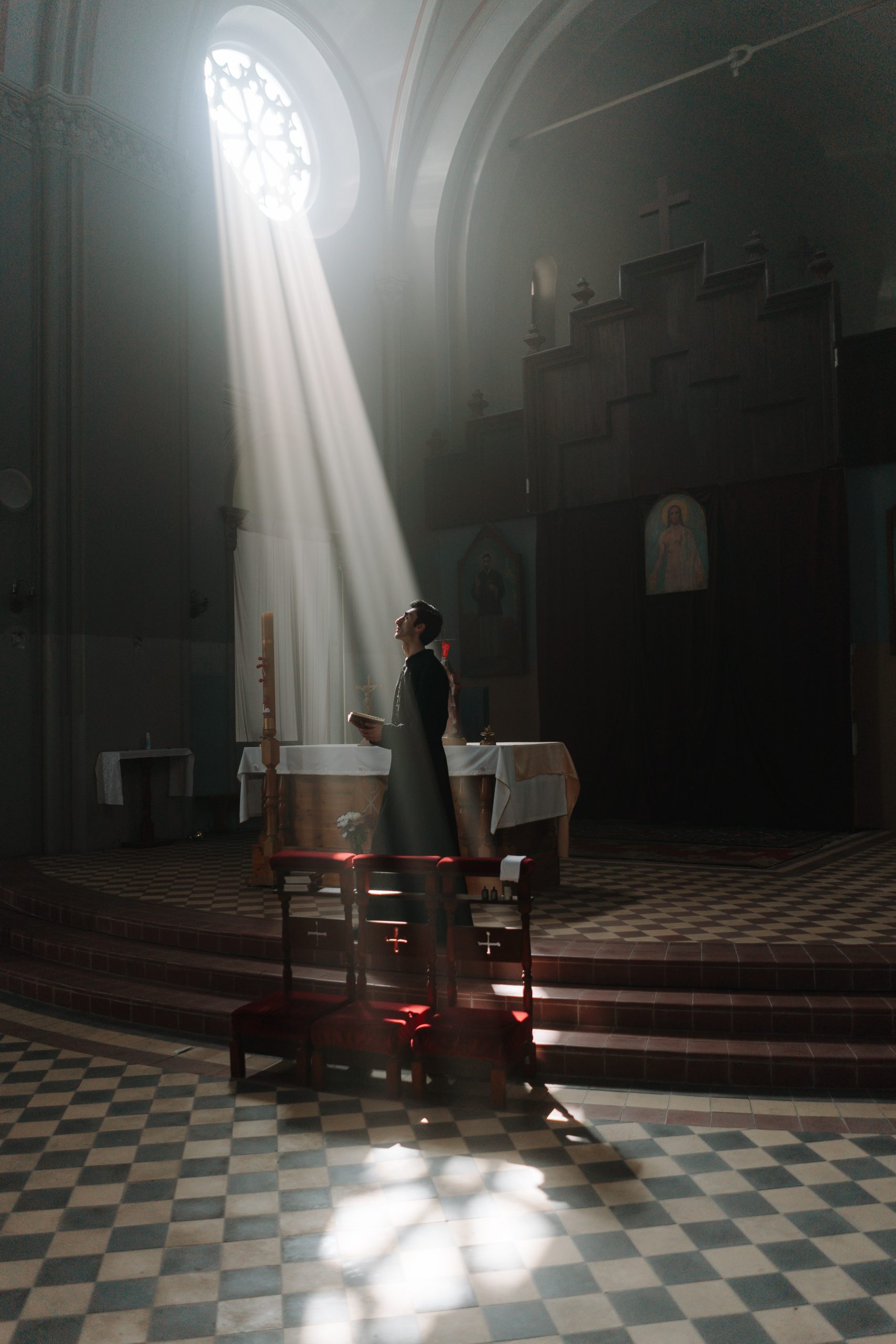
The Challenges and Rewards of Being a Priest Today
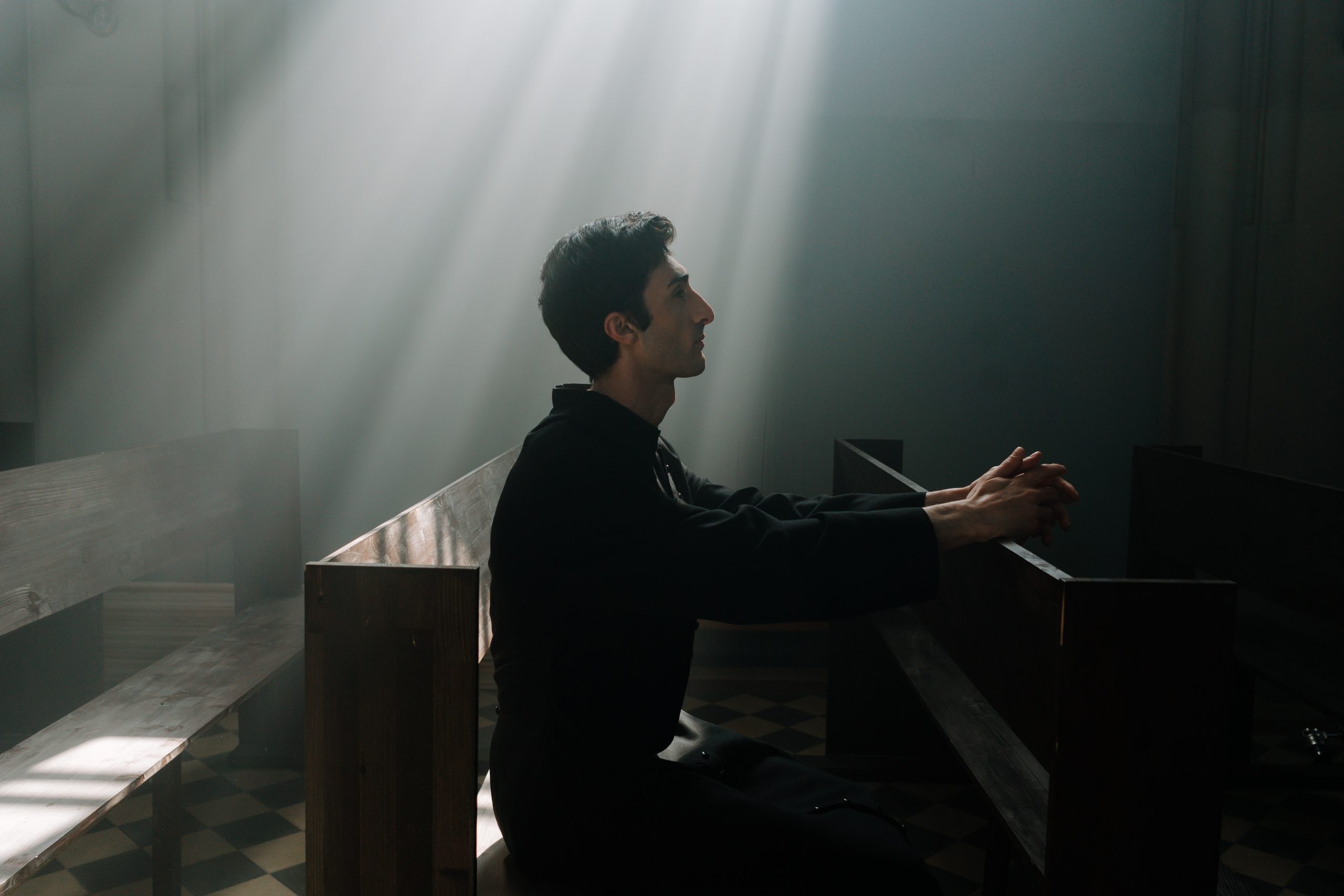
Being a priest today is both a challenging and rewarding vocation. On the one hand, priests face significant challenges in terms of declining numbers of clergy, changing attitudes towards religion, and the need to navigate complex social issues. At the same time, being a priest offers the opportunity to make a meaningful impact on people's lives, to serve as a spiritual guide and mentor, and to deepen one's own relationship with God. One of the main challenges facing priests today is the declining number of clergy. This has led to an increased workload for priests, who must often juggle multiple responsibilities and tasks. It has also put pressure on seminaries and theological institutions to recruit and train more priests to meet the needs of the Church. Another challenge is the need to navigate complex social issues, such as those related to gender, sexuality, and diversity. Priests must be able to engage in dialogue and offer pastoral care to all members of their community, regardless of their background or beliefs. This requires sensitivity, empathy, and a willingness to listen and learn.
Despite the difficulties, being a priest is an immensely fulfilling vocation. It provides priests with the chance to have a meaningful impact on individuals' lives by offering support and comfort in times of need while assisting others in their spiritual growth. Additionally, priests can strengthen their own spiritual life through prayer, study, and pastoral ministry, which can bring them great satisfaction and happiness. If you're struggling with your college papers, don't hesitate to seek help from our expert team of writers who can write my college paper with WritePaper and help you excel in your studies.
For students
and graduates from theological seminaries, becoming a priest can offer a
unique opportunity to serve God and His people in a meaningful way. It
requires dedication, hard work, and a deep commitment to the Church and
its teachings. However, for those who are called to this vocation, it
can be a source of immense fulfillment and joy, offering the opportunity
to make a positive impact on the world and to live out one's faith in
service to others.
Discerning a Vocation to the Priesthood: Guidance and Resources
Discerning a vocation to the priesthood can be a complex and challenging process. It requires a deep sense of calling, a willingness to explore one's own beliefs and values, and a commitment to ongoing growth and development. Fortunately, there are many resources available to help those who are considering a vocation to the priesthood, including guidance from mentors, spiritual directors, and pastoral leaders, as well as a range of educational and training programs.
Write my term paper is a request often made by students seeking assistance with their academic assignments. It signifies a desire to have a professional writer create a well-researched and well-written term paper on their behalf. Such services can be helpful when used responsibly, with the resulting paper serving as a reference and learning aid to help students understand how to approach their own assignments. However, it's crucial to ensure that any assistance obtained is used in an ethical and responsible manner.
One of the key aspects of preparing for a vocation to the priesthood is education. Students who are considering this path will spend a significant amount of time studying and reading books on topics such as theology, philosophy, scripture, and pastoral ministry. They will also engage in practical training, such as pastoral care, homiletics, and liturgical practice, which will help them to develop the skills and knowledge needed to serve effectively as a priest.
In addition to formal education and training, discerning a vocation to the priesthood also requires a willingness to engage in spiritual practices such as prayer, meditation, and spiritual direction. This helps the candidate to deepen their relationship with God and to discern more clearly whether the priesthood is truly their calling.
Finally, it is important for those considering a vocation to the priesthood to seek guidance and support from trusted mentors and spiritual leaders from Parish Churches In England. This can include priests, deacons, lay ministers, and others who have experience in pastoral ministry and can offer insights and advice on the discernment process. By seeking guidance and support, and by engaging in the educational and spiritual practices required for this vocation, those considering the priesthood can discern whether this is truly their calling and take the first steps towards serving God and His people in this important role.